

Can a Non-Catholic Take Communion in a Catholic Church? Understanding Sacramental Norms!
Title: Breaking Barriers: Can a Non-Catholic Take Communion in a Catholic Church? Understanding Sacramental Norms!
Introduction:
Welcome to the insightful world of Catholic sacramental norms, where ancient traditions meet contemporary queries. Whether you come from a diverse religious background, are attending a Catholic ceremony for the first time, or are simply curious about interfaith practices, you might have found yourself pondering a question that has perplexed many: Can a non-Catholic participate in the sacred ritual of Communion within the solemn walls of a Catholic church?
In this article, we embark on an enlightening journey, shedding light on the sacrament of Holy Communion and unraveling the intricate threads that govern its reception in the Catholic Church. Guided by ancient customs, ecclesiastical guidelines, and the teachings of the Church, we delve into the heart of this sacramental experience to discover the true scope and significance of who may partake.
Bear witness to a comprehensive exploration that aims to quell any uncertainties surrounding this topic, while fostering a spirit of understanding and inclusion. As we navigate the complex tapestry of sacramental norms, we provide you with a clear and concise understanding of the positions held by the Catholic Church, enabling you to make an informed judgment on this delicate matter.
Join us as we challenge misconceptions and misconstrued assumptions while championing the principles of mutual respect and dialogue. Drawing from theological insights, historical context, and canonical aspects, we equip you with the tools to engage in meaningful conversations around sacramental participation, opening doors to greater dialogue between faith traditions.
So, whether you are a seeker of knowledge, a compassionate soul navigating the interfaith landscape, or simply someone curious about the Catholic Church and its sacraments, buckle up as we embark on an enlightening journey through the intricacies of taking Communion in a Catholic Church. Let us ensure our understanding transcends boundaries, unites hearts, and fosters a deeper appreciation for diverse faiths.
Are you ready to unravel the mysteries that surround this sacramental practice? Let’s embark on this informative quest together, as we uncover the answers that lie at the crossroads of interfaith communion.
Contents
- Can a Non-Catholic Receive Holy Communion in a Catholic Church?
- Clarifying Sacramental Norms and Doctrinal Foundations
- Understanding the Catholic Church’s Stance on Intercommunion
- Exploring the Conditions for a Non-Catholic to Participate in the Eucharist
- Key Factors to Consider Before Receiving Holy Communion as a Non-Catholic
- Respecting the Sacredness of the Eucharist: A Call for Discernment and Unity
- Recommendations for Non-Catholics Seeking Spiritual Communion in a Catholic Church
- Addressing Common Misconceptions: Dispelling Myths about Communion in Catholicism
- The Conclusion
Can a Non-Catholic Receive Holy Communion in a Catholic Church?
In a Catholic Church, the reception of Holy Communion is considered one of the most sacred aspects of the faith. It is a communal act that symbolizes the unity of believers in Christ. However, the question arises: can a non-Catholic take part in this sacrament?
The answer lies in the sacramental norms of the Catholic Church. According to Catholic teachings, the reception of Holy Communion is reserved for baptized Catholics who are in a state of grace and properly prepared. This means that non-Catholics, who have not been baptized into the Catholic Church, should not receive Holy Communion during Mass.
There are a few exceptions to this general rule. In some cases, non-Catholics who belong to other Christian denominations may be allowed to receive Holy Communion in certain circumstances. This is based on the principle of eucharistic hospitality, which recognizes the common faith in Christ shared by different Christian traditions.
However, it is important to note that the decision to allow non-Catholics to receive Holy Communion is ultimately up to the individual bishop or pastor of the specific Catholic Church. They have the authority to determine the requirements and conditions for non-Catholics to participate in the sacrament.
In summary, while the general norm is that only baptized Catholics can receive Holy Communion in a Catholic Church, there may be exceptions for non-Catholics under certain circumstances. It is advisable for non-Catholics who are interested in receiving Holy Communion to speak with the priest or pastor beforehand to seek clarification and guidance.
Clarifying Sacramental Norms and Doctrinal Foundations
In the Catholic Church, the sacraments hold great significance and are deeply rooted in tradition and doctrine. One question that often arises is whether a non-Catholic can receive communion during Mass. To understand the sacramental norms surrounding this issue, let’s dive into the doctrine and guidelines set by the Church.
First and foremost, it’s important to note that the Catholic Church views the Eucharist, also known as Holy Communion, as the true body and blood of Jesus Christ. It is not simply a symbolic act, but a sacred sacrament. As such, the Church has specific guidelines for those who can receive this sacrament.
The general rule is that only baptized Catholics who are in a state of grace, meaning they are free from serious sin, are allowed to receive communion. This is because receiving the body and blood of Christ is seen as a sign of unity with the Catholic Church and its teachings. However, there are a few exceptions to this rule.
Exception 1: Orthodox Christians. The Catholic Church recognizes the validity of the sacraments in the Orthodox Church, including the Eucharist. Orthodox Christians who share the same faith in the real presence of Christ in the Eucharist can receive communion in a Catholic Church, provided they meet the other requirements.
Exception 2: Other Christian Denominations. Non-Catholic Christians, such as Protestants, are generally not allowed to receive communion in a Catholic Church. This is because there are significant theological differences regarding the nature of the Eucharist between these denominations and the Catholic Church.
Exception 3: Grave Circumstances. In some exceptional cases, such as imminent danger of death or lack of access to their own church, non-Catholics may be granted permission to receive the Eucharist. This requires the approval of the local bishop and should be done in consultation with a Catholic priest.
Understanding these sacramental norms is crucial in respecting the beliefs and traditions of the Catholic Church. If you have any questions or doubts about receiving communion as a non-Catholic, it is always best to consult with a priest who can provide guidance based on your specific situation.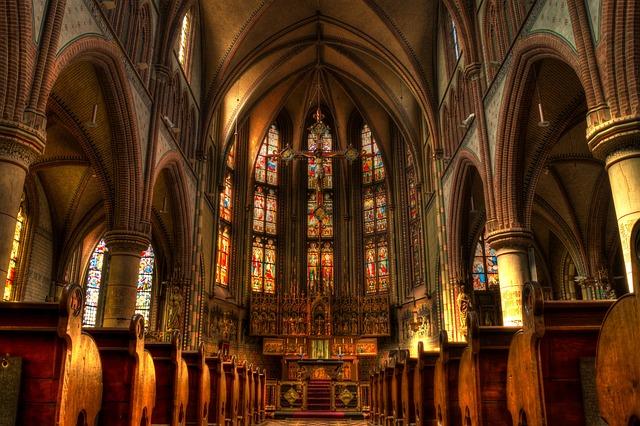
Understanding the Catholic Church’s Stance on Intercommunion
The Catholic Church has specific guidelines and sacramental norms when it comes to intercommunion, which refers to the practice of sharing the Eucharist with individuals who are not Catholics. While there are variations within the Catholic Church, the general stance is that non-Catholics, including members of other Christian denominations, are not permitted to receive communion in a Catholic Church without meeting certain criteria.
-
Baptized Catholics: The primary requirement for receiving communion in a Catholic Church is to be a baptized Catholic. The Eucharist is considered a sacrament of unity and belief in the teachings of the Catholic Church is essential.
-
State of Grace: Catholics who wish to receive communion must be in a state of grace, which means they have recently confessed their sins and have been absolved through the sacrament of reconciliation. This requirement reinforces the belief that one must be spiritually prepared to receive the body and blood of Christ.
-
Understanding of the Eucharist: The Catholic Church places great importance on the belief in the real presence of Jesus Christ in the Eucharist. Therefore, individuals who do not share this belief, such as members of other Christian denominations, are generally not allowed to receive communion in a Catholic Church.
- Ecumenical Exceptions: While it is the general rule that non-Catholics cannot receive communion in a Catholic Church, there are certain exceptions. In some cases, members of other Christian denominations who share a close theological understanding of the Eucharist with the Catholic Church may be permitted to receive communion. The decision to allow this is made on a case-by-case basis by the local bishop or the priest in charge.
It is worth noting that these guidelines are not intended to exclude or discriminate against non-Catholics, but rather to uphold the significance and reverence of the Eucharist within the context of Catholic teachings. If you have any questions or seek further clarification, it is always advisable to consult with your local Catholic priest or a knowledgeable member of the Church.
Exploring the Conditions for a Non-Catholic to Participate in the Eucharist
With the ever-growing diversity in religious beliefs and practices, it is common for individuals of different faiths to attend Catholic churches for various reasons. One common question that arises is whether a non-Catholic can participate in the Eucharist, also known as Holy Communion, during Mass. It is essential to understand the sacramental norms to shed light on this topic.
The Catholic Church holds the Eucharist as a sacred sacrament, believing in the real presence of Jesus Christ in the bread and wine. As such, the general practice is that only baptized Catholics who are in a state of grace can receive the Eucharist. However, there are a few exceptions and conditions under which non-Catholics can participate, although they are limited.
-
Catholic Church’s openness: The Catholic Church recognizes the common baptism shared by various Christian denominations. As such, some non-Catholic Christians may be allowed to receive the Eucharist in a Catholic Church if their faith permits it and they approach with a sincere belief in the real presence of Christ.
-
Ecumenical gatherings and agreements: In specific circumstances, during ecumenical gatherings or services, where different Christian communities come together, there may be provisions for non-Catholics to receive communion. However, this is generally based on the agreement and guidelines established between the participating churches.
- Personal spiritual journey: Some non-Catholics may feel a strong spiritual connection during Mass and desire to receive the Eucharist. In such cases, it is recommended that they approach the priest before Mass and express their intentions. The priest will provide further guidance based on their particular circumstances.
It is important to note that while these exceptions exist, the general practice in the Catholic Church is for only baptized Catholics to receive the Eucharist. This does not imply any exclusion or judgment towards non-Catholics but rather emphasizes the significance and unique understanding of the sacrament within the Catholic faith.
In conclusion, while a non-Catholic’s participation in the Eucharist is limited, the Catholic Church recognizes certain exceptions in specific circumstances. It is advisable for non-Catholics to engage in respectful dialogue with their local priest to better understand the sacramental norms and guidelines established by both their own faith tradition and the Catholic Church. By approaching this topic with openness and respect, individuals can foster greater understanding and unity among different religious communities.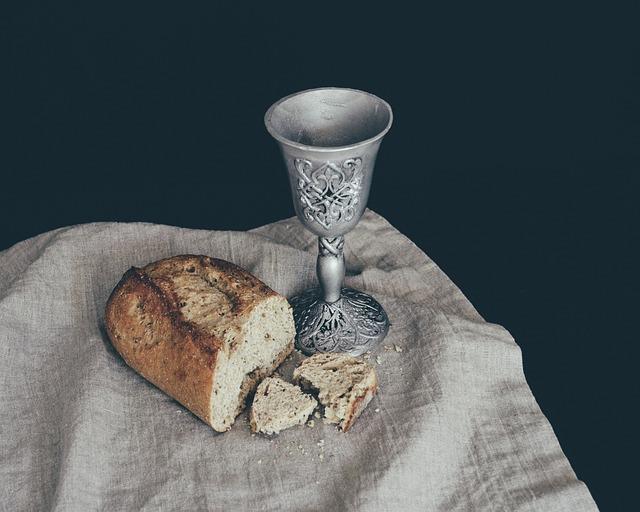
Key Factors to Consider Before Receiving Holy Communion as a Non-Catholic
In a Catholic Church, the reception of Holy Communion is a sacred ritual reserved for baptized Catholics who are in a state of grace. However, the question of whether non-Catholics can partake in this sacrament is a complex one. There are several key factors that individuals should consider before deciding to receive Holy Communion as a non-Catholic.
-
Understanding the Catholic belief: The Eucharist is considered the Body and Blood of Christ in Catholic theology. Catholics believe in the real presence of Christ in the Eucharist, which is received as a source of spiritual nourishment. It’s important for non-Catholics to have a basic understanding of this belief before considering receiving Holy Communion.
-
Respect for Catholic sacramental norms: The act of receiving Holy Communion in a Catholic Church is not simply a symbolic gesture, but a profound act of faith and unity. By receiving the Eucharist, individuals are professing their belief in the teachings of the Catholic Church. Non-Catholics should be respectful of these sacramental norms and consider the implications of participating in a ritual that holds such deep significance for Catholics.
-
Invitation from the Catholic community: Some Catholic churches may offer open communion or extended invitation to non-Catholics to receive Holy Communion. However, it’s important to note that this practice varies from church to church and even among individual priests. It is recommended to consult with the local parish priest or clergy to understand the specific practices and guidelines of the church you wish to visit.
- Personal discernment and self-reflection: Ultimately, the decision to receive Holy Communion as a non-Catholic is a personal one. It is important to engage in a process of discernment and self-reflection to determine if you are genuinely seeking to enter into communion with the Catholic Church, or if your intention is simply to participate in the ritual without truly embracing the Catholic faith.
Before making the decision to receive Holy Communion as a non-Catholic, it is essential to consider these key factors, seek guidance from the appropriate Church authorities, and respect the sacramental norms of the Catholic Church. Remember, participating in the Eucharist is a sacred act that carries significant spiritual meaning for Catholics, and it is important to approach it with reverence and understanding.
Respecting the Sacredness of the Eucharist: A Call for Discernment and Unity
Respecting the Sacredness of the Eucharist is an essential aspect of Catholic worship. It is a sacred and central sacrament in which Catholics believe that the consecrated bread and wine become the Body and Blood of Jesus Christ. This unique belief sets the Catholic Church apart, highlighting the utmost significance it places on the Eucharist. Consequently, the question arises: Can a Non-Catholic take communion in a Catholic Church?
According to the Catholic Church’s sacramental norms, the reception of Holy Communion is generally reserved for Catholics who are in a state of grace and have prepared through the sacrament of reconciliation. The act of receiving the Eucharist symbolizes the unity and shared faith among Catholics, as well as their communion with the Church. Therefore, the norm encourages Catholics to receive the Eucharist after careful discernment and preparation.
However, there are exceptions to this norm. Non-Catholics may be allowed to receive communion in specific circumstances, such as when they share the Catholic Church’s beliefs regarding the real presence of Jesus Christ in the Eucharist, when there is an imminent danger of death, or when there is a genuine spiritual need that cannot be satisfied elsewhere. These exceptions are subject to the discretion of the local bishop or pastor, who may grant permission on a case-by-case basis.
In navigating this delicate issue, it is important to prioritize discernment and unity. If you are a Non-Catholic considering receiving Communion in a Catholic Church, it is recommended to begin by engaging in dialogue with the local priest or pastor. This conversation will facilitate a deeper understanding of the Catholic Church’s sacramental norms and enable both parties to discern the appropriate course of action. It is crucial to approach this discussion humbly and with respect for the sacredness of the Eucharist, as well as the Church’s teachings.
Ultimately, respecting the sacredness of the Eucharist necessitates discernment and unity among all individuals involved. While the norms set by the Catholic Church may limit the reception of Holy Communion to practicing Catholics, exceptions may be made in specific situations. Through open dialogue and a shared commitment to understanding, both Catholics and Non-Catholics can navigate this topic with grace and respect. By doing so, the sacredness of the Eucharist can be upheld while fostering an environment of inclusivity and unity.
Recommendations for Non-Catholics Seeking Spiritual Communion in a Catholic Church
In order to understand the question of whether a non-Catholic can take communion in a Catholic church, it’s important to have a clear understanding of the sacramental norms within the Catholic tradition. While the answer may vary depending on individual circumstances and the particular beliefs of each Catholic community, there are some general recommendations that can be helpful for non-Catholics seeking spiritual communion in a Catholic church.
-
Respect the Sacrament: The Eucharist is considered the body and blood of Jesus Christ by Catholics, and receiving communion is seen as a sacred and deeply meaningful act. As a non-Catholic, it is important to approach the sacrament with reverence and respect for its significance to the Catholic faith.
-
Understand the Catholic Belief: Catholics believe that the Eucharist is not only a symbol but the actual presence of Christ. Therefore, the Church has specific guidelines in place for who can receive communion, based on their beliefs and practices. While non-Catholics are generally not eligible to receive communion, exceptions can sometimes be made for certain circumstances, such as a non-Catholic Christian who shares similar beliefs about the Eucharist.
-
Seek Clarity from the Church: If you are a non-Catholic with a sincere desire to participate in the Eucharist, it may be helpful to approach the Catholic priest or pastoral staff of the church you wish to attend. They can provide guidance on the specific policies of that particular parish and offer any accommodations or alternatives that may be available for non-Catholics.
- Participate in Spiritual Communion: While receiving the physical Eucharist may not be an option for non-Catholics, it is important to remember that there are other ways to experience spiritual communion. Non-Catholics can still attend Mass, participate in the prayers, hymns, and listen to the homily. Engaging in meditation, prayer, and reflective contemplation during the Eucharist can also be a meaningful way to connect spiritually.
Remember, these recommendations are general guidelines and individual Catholic parishes may have their own practices and policies. It is always best to consult with the local church authority to get the most accurate and up-to-date information regarding participation in the Eucharist as a non-Catholic.
Addressing Common Misconceptions: Dispelling Myths about Communion in Catholicism
One common misconception about communion in Catholicism is whether or not a non-Catholic can participate in the sacrament. The short answer is no, according to Catholic Church teachings. In order to receive communion in a Catholic Church, one must be a baptized Catholic in a state of grace, meaning they have confessed and been absolved of any mortal sins. This requirement stems from the belief that the Eucharist is the body and blood of Jesus Christ, and by receiving it, Catholics are entering into a sacred and intimate union with Christ.
However, it’s important to note that the Catholic Church does extend an invitation to non-Catholics to be present during the celebration of the Eucharist. Non-Catholics are welcome to participate in other aspects of the Mass, such as singing hymns, reciting prayers, and engaging in the communal worship experience. Additionally, it is common for non-Catholics to approach the altar during communion with their arms crossed over their chest, which serves as a signal to the priest that they would like a blessing instead of receiving the Eucharist.
The decision to limit communion to Catholics is rooted in the belief in the sacramental nature of the Eucharist and the importance of being in full communion with the Church. It is not meant to be exclusionary, but rather a reflection of the Church’s understanding of the sacraments and the unique significance of communion for Catholics.
In summary, while non-Catholics cannot partake in the sacrament of communion in a Catholic Church, they are still welcome to attend and participate in the other aspects of the Mass. The Catholic Church extends an open invitation for all to join in the celebration of the Eucharist, albeit in a different manner.
The Conclusion
In conclusion, the question of whether a non-Catholic can take communion in a Catholic Church is one that sparks curiosity and debate. By understanding the sacramental norms surrounding this practice, we are better equipped to navigate the complexities of interfaith interactions. While Catholic teaching restricts the reception of communion to those who share the same faith, there are exceptions for certain circumstances and individuals. The decision ultimately lies with the Catholic Church and its leaders, who strive to preserve the sacredness of the Eucharist while fostering unity and respect among all believers. So, next time you find yourself pondering this question, remember the importance of sacraments and the diverse perspectives within different faith traditions.


 PROSPERITY PRAYER